






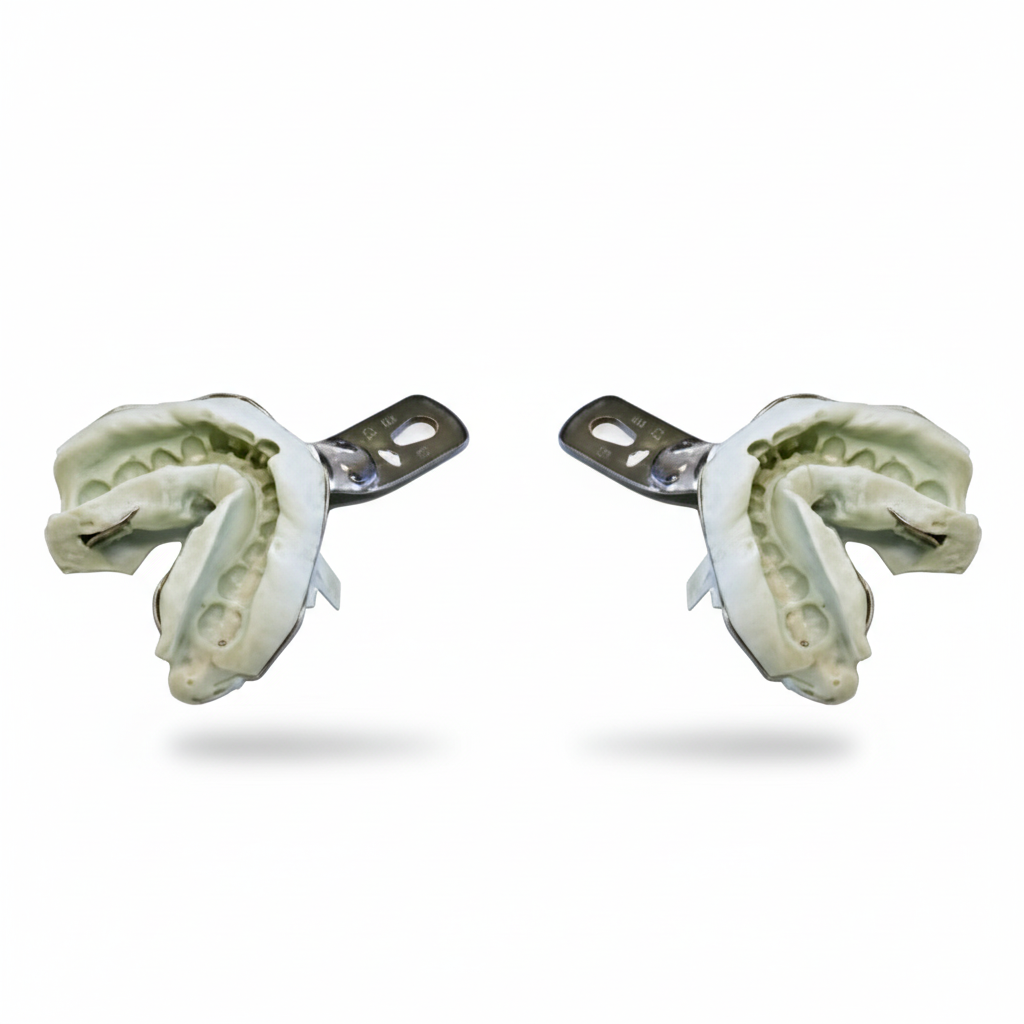
Imprint
The teeth are impressed using a setting material. Plaster models can then be produced with the help of this impression.
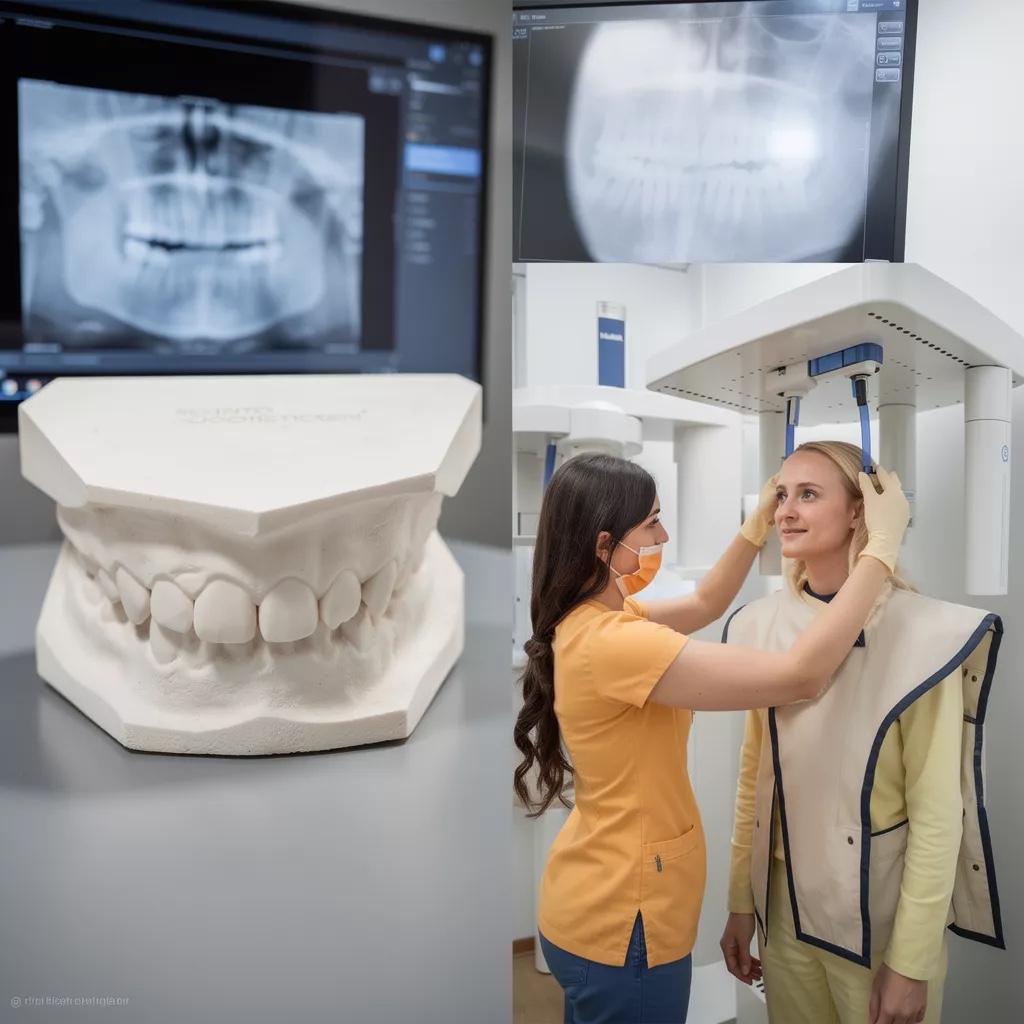
Initial documents
We take the necessary photos, X-rays, and impressions before the start of treatment in order to plan the therapy and submit the application to the health insurance company.
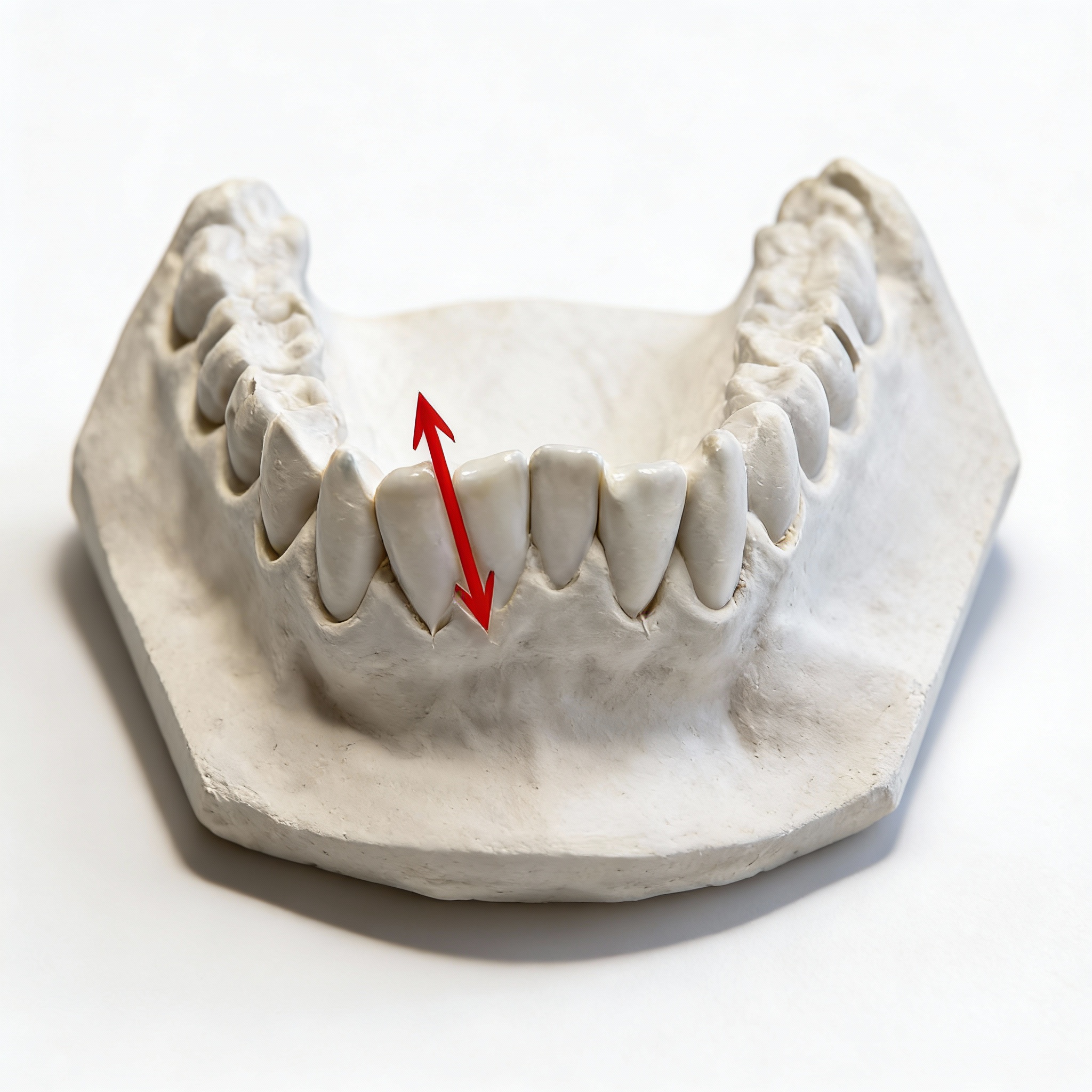
IPR / interproximal reduction / stripping
When teeth are very crowded or overlapping, it can be helpful to polish the surface of the tooth at the contact point with adjacent teeth to facilitate the sliding of the teeth past each other. In individual cases, repeating this process multiple times can create a little more space for the teeth.
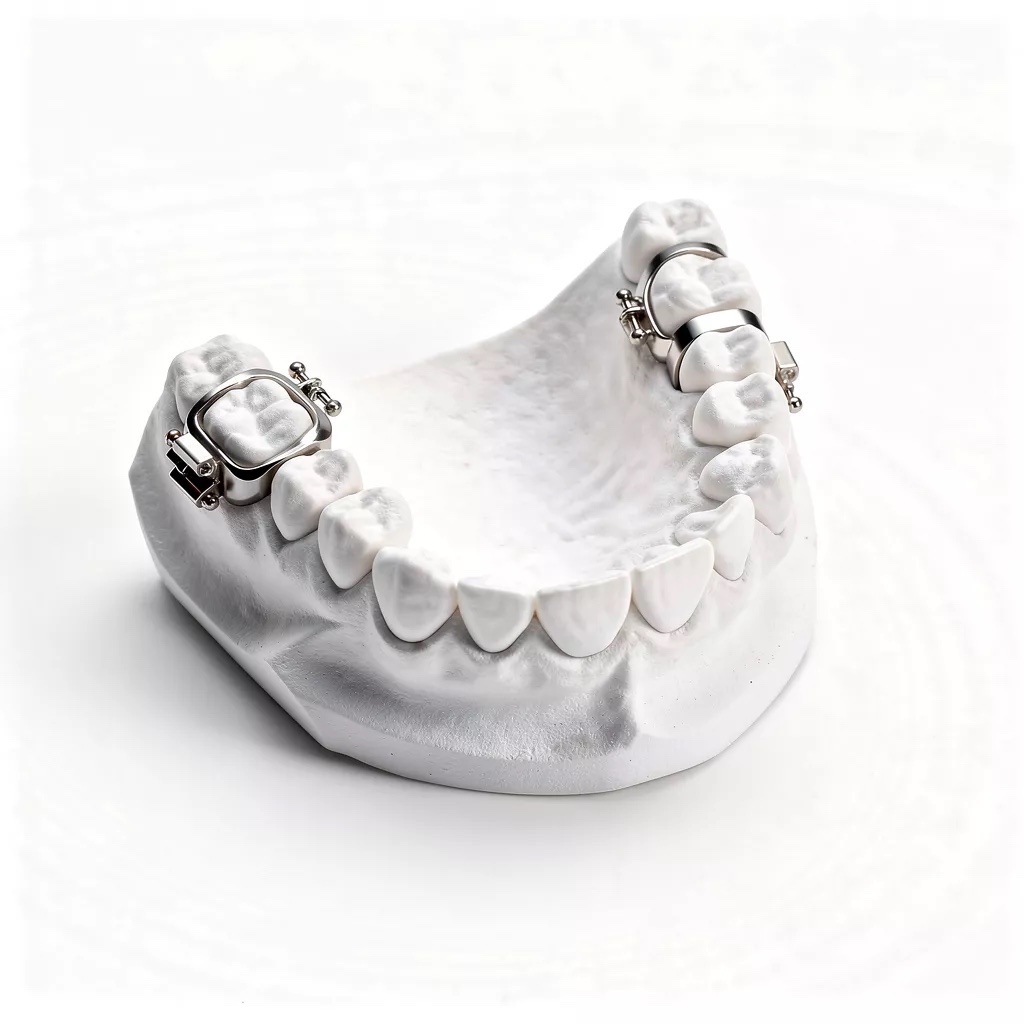
Bands/Rings
Bands are 0.1 mm thick metal rings with welded-on attachments for holding an archwire.
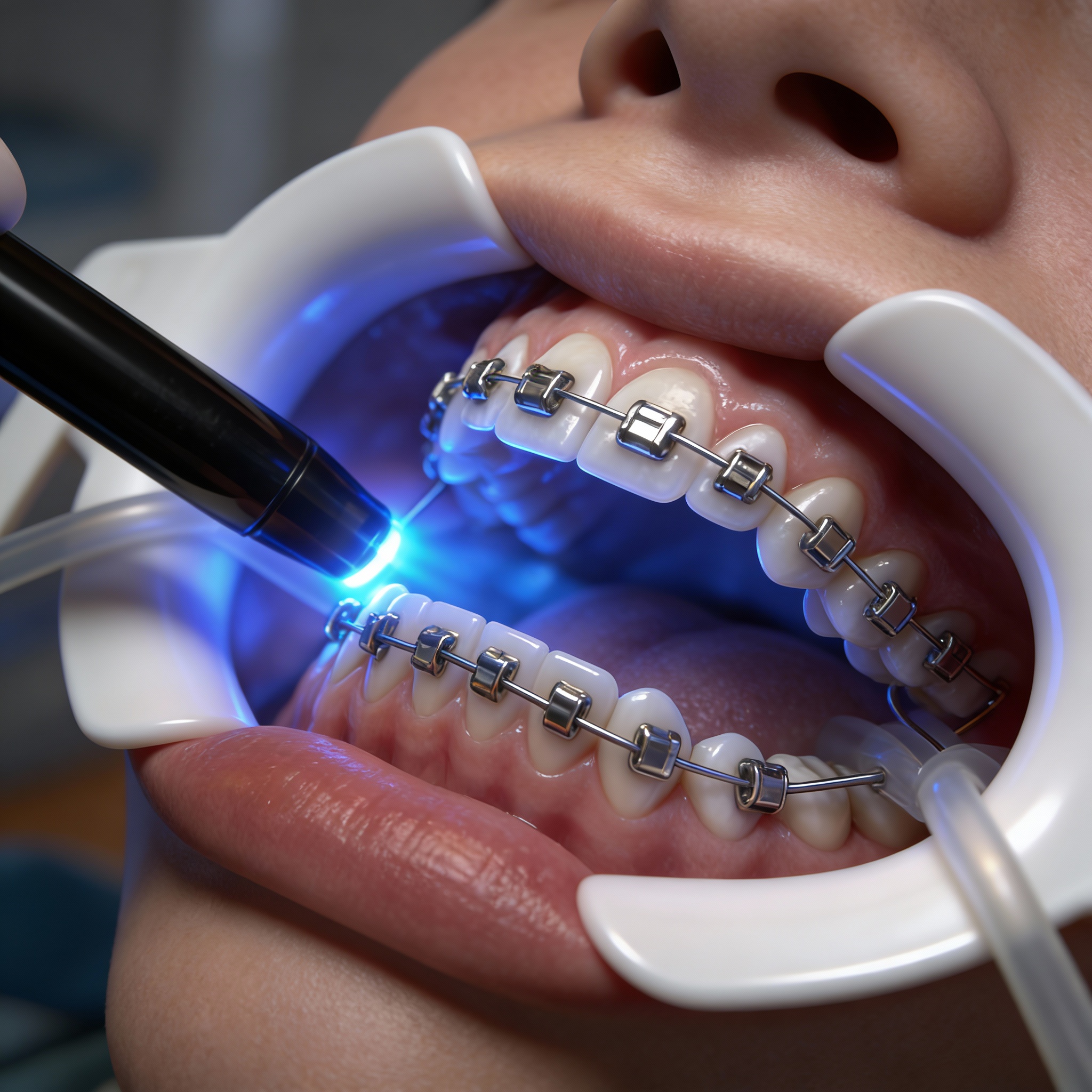
Strapping / Strapping Date
The fixed braces are put in place. For this purpose, the surface of the teeth is cleaned, pre-treated, and then the brackets are bonded on individually. Individually fitted bands are cemented onto the large molars. As the final step, a wire archwire is inserted, which connects the brackets and bands together.
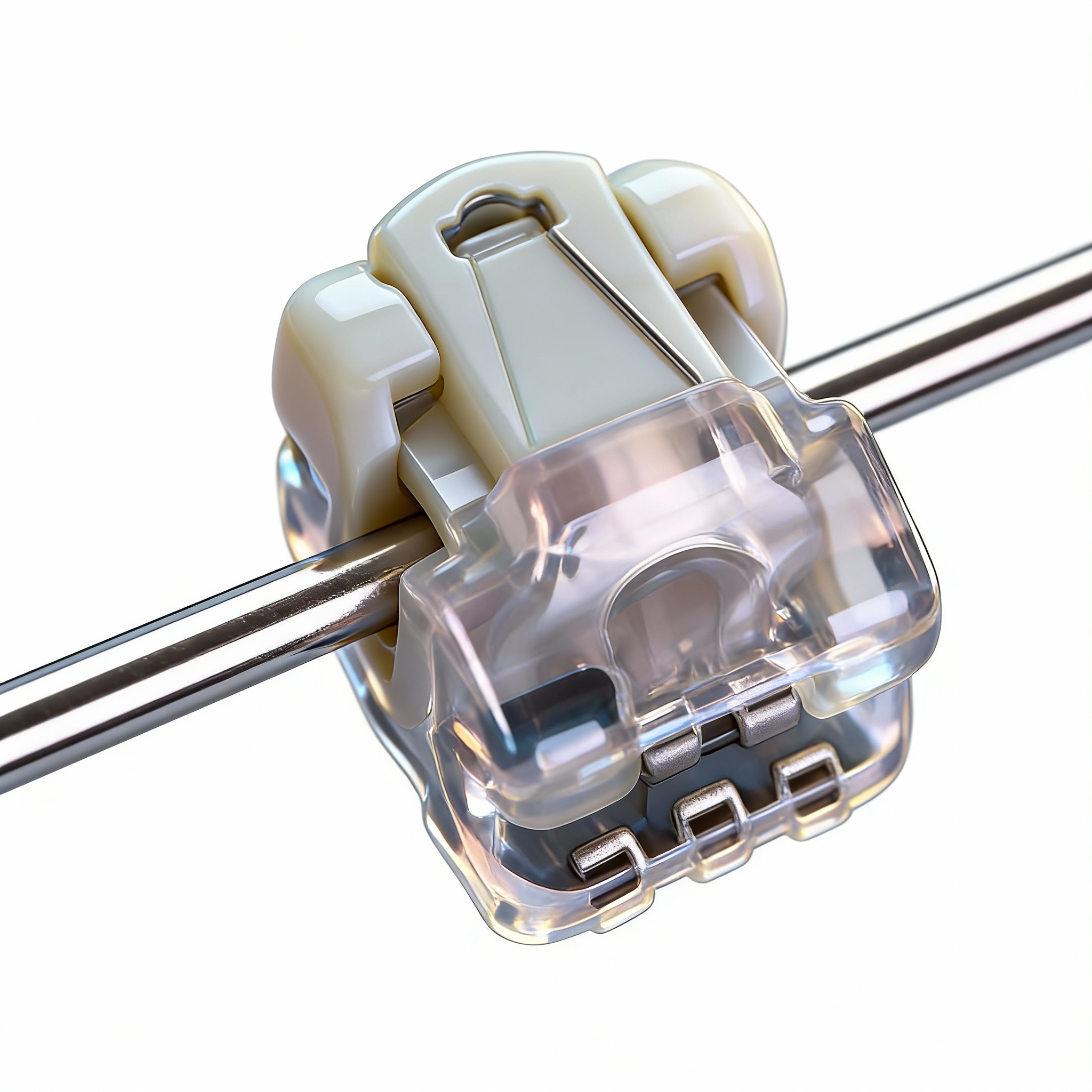
Arch
Wire running through brackets and bands. It is available in various metals, cross-sections, shapes, and dimensions.
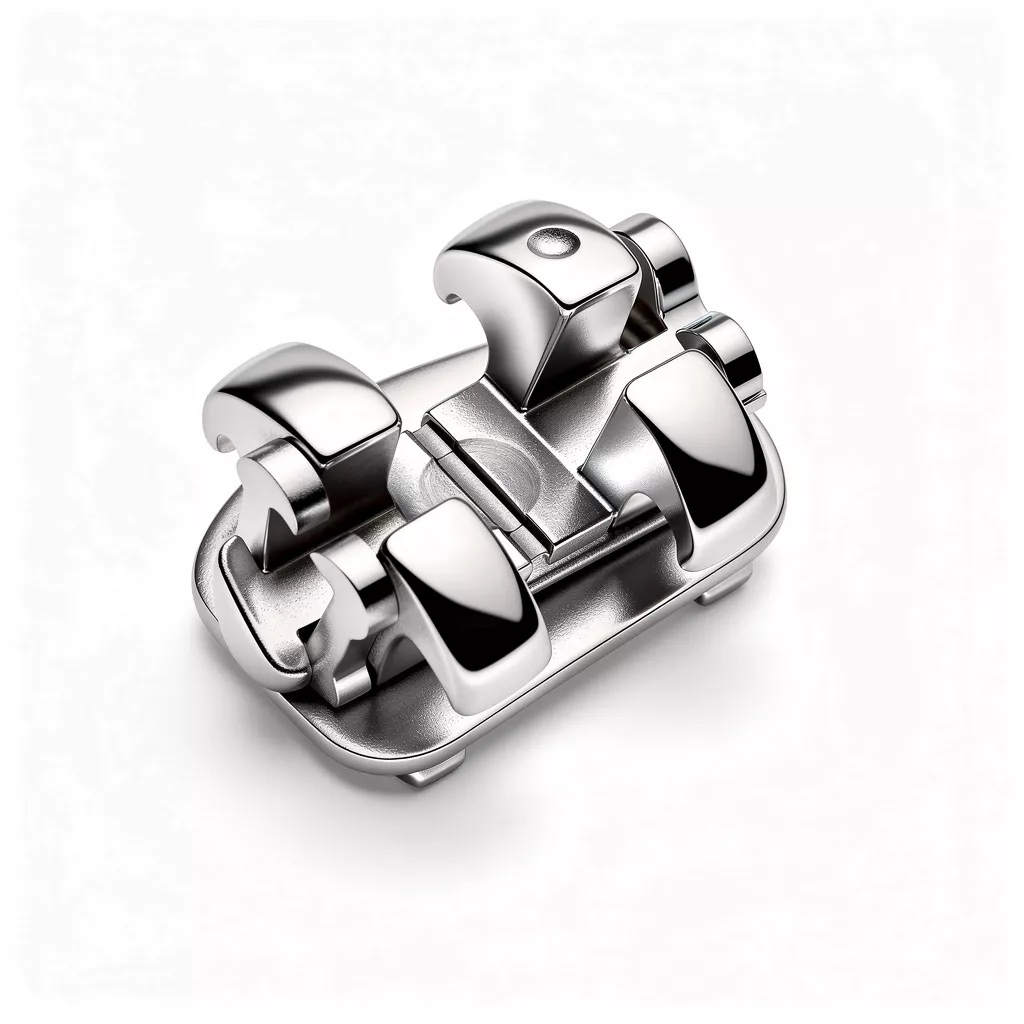
Brackets
Brackets are components of a fixed orthodontic appliance. They are bonded to the teeth after tooth surface treatment and serve to secure the archwire. Brackets can be made of metal or ceramic.
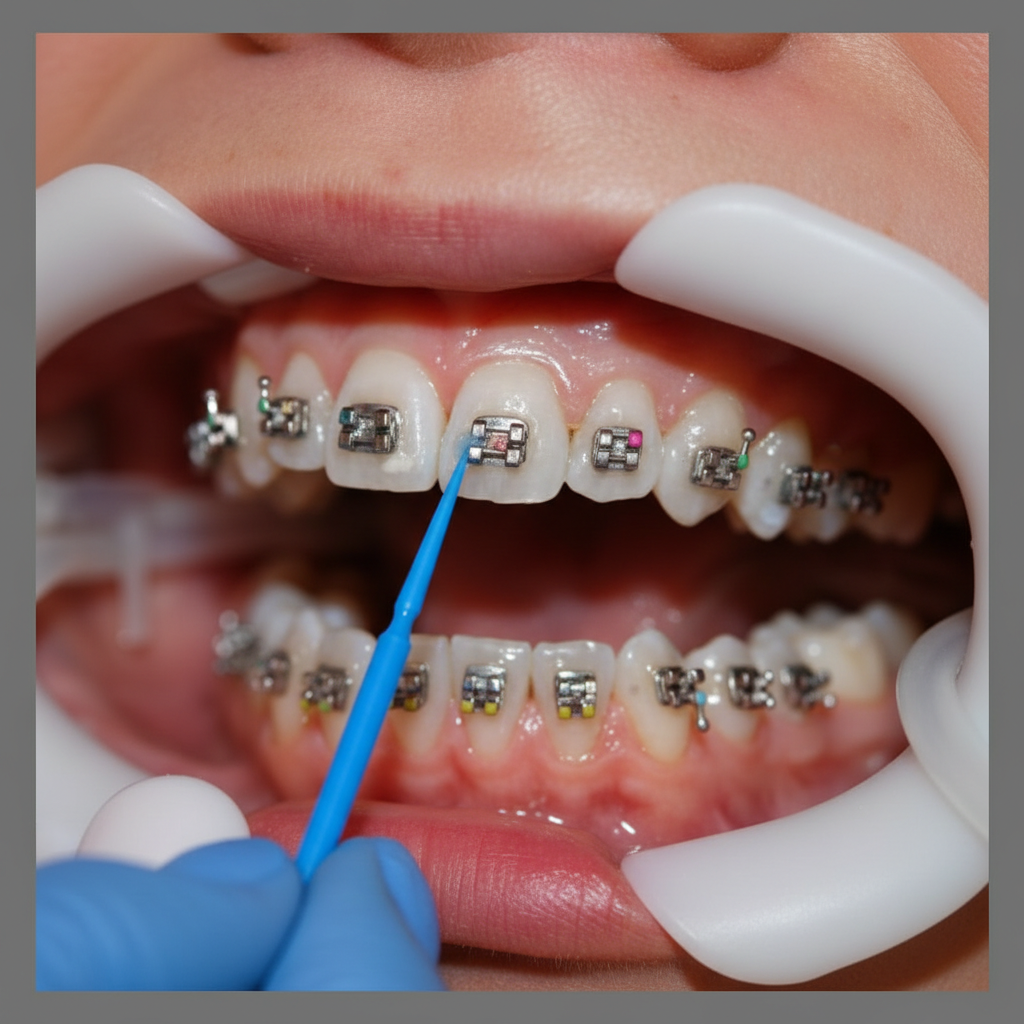
Bracket surround sealing
The greatest danger of damage to the teeth during treatment with fixed braces exists in the immediate vicinity of the brackets. You can prevent the risk of enamel damage by sealing this area with a special varnish whose protective effect lasts for up to one year.
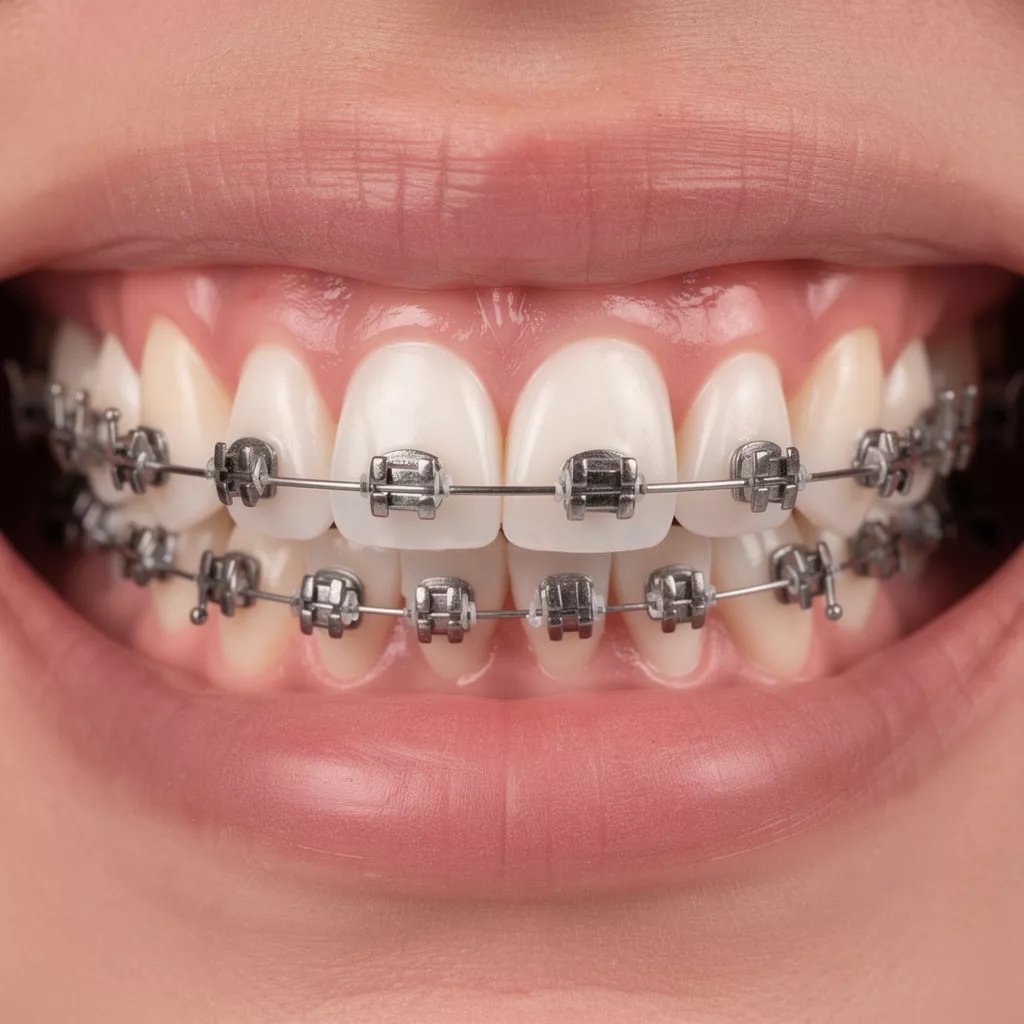
Fixed braces
Consists of archwires, brackets, bands, and ligatures. The teeth have brackets bonded to them that are only removed at the end of treatment, hence the term „fixed“.

FRS
ceph.

GNE
Abbreviation for rapid maxillary expansion appliance. This device is used to expand the upper jaw and consists of a special screw that is attached to the teeth using four anchorage bands.

hand X-ray
is also called hand-wrist radiograph (HWR). This X-ray is used to determine skeletal age and thus provides information about expected growth.

Removable brace
This device is made of plastic and various wire elements. It is inserted and removed by the patient themselves, which is why the success of the treatment depends heavily on the patient's cooperation.

long-term bonded retainer
Thin, partially stranded wires are fixed to the inside of the teeth using a special plastic, thereby stabilizing the treatment result. „fixed“.

Ligature
Ligatures can be made of wire or highly elastic, synthetic material. They are used to secure the archwire into the brackets.

Model
Plaster models are duplicates of the individual jaw and tooth positions. They are indispensable for orthodontic diagnostics and therapy. Models are produced for diagnosis, documentation, treatment and appliance planning, and device manufacturing.

Orthopantomogram
It is used to determine the number of teeth as well as the position, mineralization, shape, and size of the tooth germs and roots.

Retention plates
Removable appliances without active elements for stabilizing the treatment result.

Relapse
A relapse refers to a return towards the original tooth position after the completion of orthodontic treatment.

Separate / Sep. Appointment
Before the bands can be fitted and placed on the molars, a small gap must be temporarily created between the neighboring teeth. For this purpose, a small rubber ring is wedged into the space between the teeth at a separate appointment 2–4 days beforehand, which moves the teeth very slightly apart from each other.